
Tooth Extractions – Melbourne, FL
Remove Troublesome Teeth and Preserve Your Smile
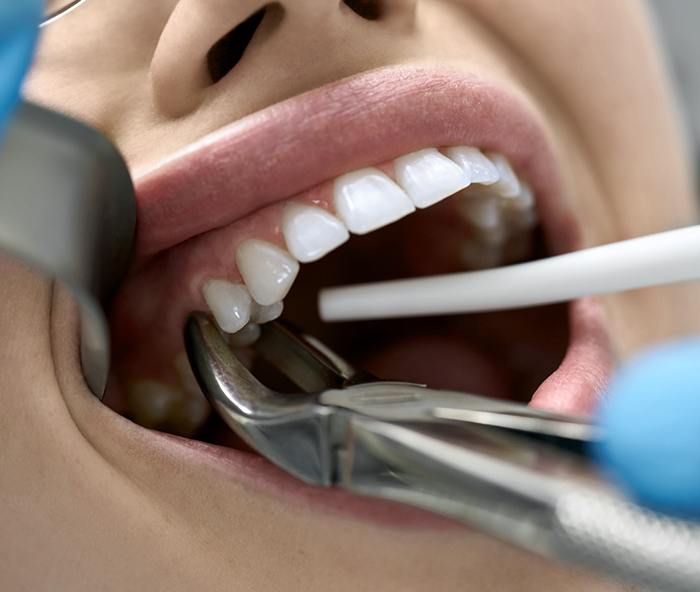
Under normal circumstances, you can count on our team to do everything we can to protect and preserve your teeth. However, if you have one or more that are severely damaged, diseased, or decayed, they could put your dental health at risk.
Our team is happy to help remove troublesome teeth and preserve your smile with an extraction procedure. Continue reading to learn more about this surgical service and when it might be required!
Why Choose Eley Family Dentistry for Tooth Extractions?
- Members of the American Dental Association
- Nitrous Oxide Sedation Available
- Accept Dental Insurance & Flexible Financing
Reasons Why Tooth Extractions Are Necessary
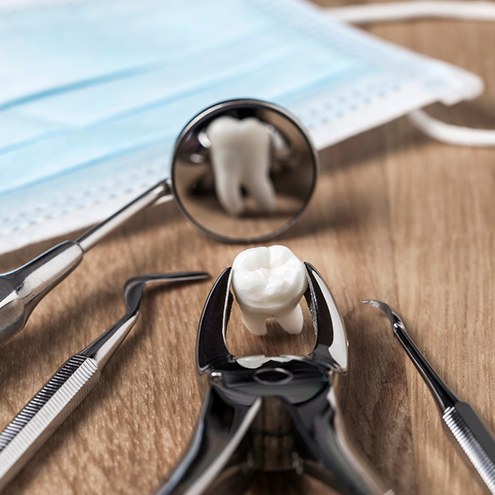
If our team has recommended an extraction, it’s natural to have questions about the procedure and when it’s required. Some patients might even wonder whether other options, like a root canal, might fix the issue instead.
However, if our providers have suggested removal, it’s likely that they’ve already determined that no other treatment can address the main concern. We might suggest an extraction to address the following:
- Spreading disease. Oral issues, like cavities and dental infections, can spread from one tooth to another or affect your jawbone or gum tissues until the source of the problem is removed.
- Untreatable problem. If your tooth is so damaged or decayed that it can’t support a filling or dental crown, removing and replacing it may be the best course of action.
- Making space. Some patients must have teeth removed for other services, such as orthodontics or dentures, to fit and function properly. The Process of Removing a Tooth
The Process of Removing a Tooth

If you’re worried your procedure will hurt, you can thankfully set your concerns aside. Our team starts by numbing your mouth with a local anesthetic so you might feel pressure while we work, but not pain. We also offer nitrous oxide sedation, or laughing gas, to help you remain calm and comfortable throughout your appointment.
Then, for a simple extraction, we will place a device known as an elevator to help lift your tooth from its socket. Next, one of our providers will gently grasp the affected tooth with forceps and wiggle it until it slips out. If you have wisdom teeth or a more complex case requiring surgical extraction, we’ll make an opening in your gums to access the tooth, which may need to be removed in smaller sections to avoid damaging your jawbone.
Tooth Extraction Aftercare

Our team will provide instructions for you to follow afterward, which are intended to help your mouth form and maintain a blood clot at the site so it can heal as quickly as possible while avoiding complications. Some aftercare directions might include:
- Drink plenty of water, but without a straw, because the force of suction can dislodge the blood clot.
- Stick to softer, milder foods, such as scrambled eggs, mashed potatoes, yogurt, or applesauce, that are unlikely to irritate your already tender gum tissues.
- Get lots of rest and avoid physical activities that elevate your heart rate or blood pressure.
- Rinse your mouth with salt water in the first 24 hours to naturally disinfect the space, then resume careful brushing and flossing as you feel able and ready.
- Contact our team if you experience severe or persistent pain lasting longer than a week so we can ensure you’re recovering as intended.
Tooth Extraction FAQs
Does getting a tooth extracted hurt?
Many patients who hear that they need a tooth extraction in Melbourne immediately worry about how uncomfortable the process will be. Rest assured that in our team’s hands, you will remain comfortable. We start the process by administering a small amount of local anesthetic to the area we’re going to be operating on to numb it. While you may experience some uncomfortable sensations during your procedure, it will end as quickly as it starts, so you won’t have to worry about a prolonged process!
After your tooth extraction, you will experience some soreness and possibly swelling. Our team at Eley Family Dentistry will provide you with aftercare instructions to help you make a speedy and comfortable recovery.
What’s the recovery process like for tooth extractions?
Fully recovering from your tooth extraction typically occurs over about a two week period; however, you should start to feel much more comfortable within a few days of your procedure. In addition to getting plenty of rest, you’ll need to maintain a soft diet, avoid using straws and spitting, and keep your mouth clean. These will prevent complications such as dry socket, as well as minimize the risk of infection.
Don’t hesitate to contact our team if you have any concerns during your recovery process. We will provide you with a more detailed list of aftercare instructions before you leave our office.
Can I leave the space empty after a tooth extraction?
We do not recommend leaving an empty space in your mouth after you have a tooth extracted. Doing so can cause the other teeth to drift into the space, creating misalignment, bite problems, and a higher risk of issues such as cavities. Additionally, over time, bone will begin to erode in that area because the roots of a tooth are no longer stimulating the jaw.
By replacing your tooth with either a dental bridge or implant crown, you can preserve the alignment of your existing teeth and reduce your risk of dental problems. With an implant bridge, you can also preserve your jawbone, as the implant acts to replace your missing root structure, while the restoration restores the visible crown of your tooth.
How should I prepare for a tooth extraction?
Before your procedure, be sure to stock your refrigerator with soft foods, as you’ll be on a restricted diet for a few days after. You’ll also want to pick up any prescriptions that we send to your pharmacy and arrange for a trusted adult to transport you to and from your appointment. It’s also important to rest after your procedure, so be sure to take the remainder of the day off of work if you’re able to.